Dental Crowns- Zirconia vs PFM

Let’s explore the various types of dental crowns, including Zirconia, Porcelain-Fused-to-Metal (PFM), and Metal crowns, along with their respective advantages and disadvantages. 
 

Zirconia Crowns:

 Advantages: 
 1. Natural Appearance: Zirconia crowns are highly translucent and mimic the appearance of natural teeth, making them an excellent choice for visible areas of the mouth. 
 2. Durability: Zirconia is known for its exceptional strength, making these crowns resistant to wear and fracture. 
 3.Biocompatibility: Zirconia is biocompatible and unlikely to cause allergic reactions or sensitivities. 
 4. Minimal Tooth Removal:These crowns require less tooth reduction than some other types, preserving more of the natural tooth structure. 
 
 *Disadvantages:* 
 1. Cost:  Zirconia crowns are often more expensive than other options due to the high-quality material and advanced technology required. 
 2. Translucency Variability: Achieving the perfect level of translucency can be challenging, which may affect the crown’s aesthetics. 

Porcelain-Fused-to-Metal (PFM) Crowns:

 Advantages:
 1. Strength: PFM crowns combine the strength of a metal substructure with the aesthetic benefits of porcelain. 
 2. Natural Appearance: The porcelain exterior closely matches natural tooth color and texture. 
 3. Durability: They are durable and can withstand the forces of biting and chewing. 
 
Disadvantages:
 1. Metal Substructure: The metal layer beneath the porcelain can sometimes create a visible dark line at the gumline, which may affect aesthetics. 
 2. Potential Allergies: Some individuals may be sensitive to the metals used in PFM crowns. 
 

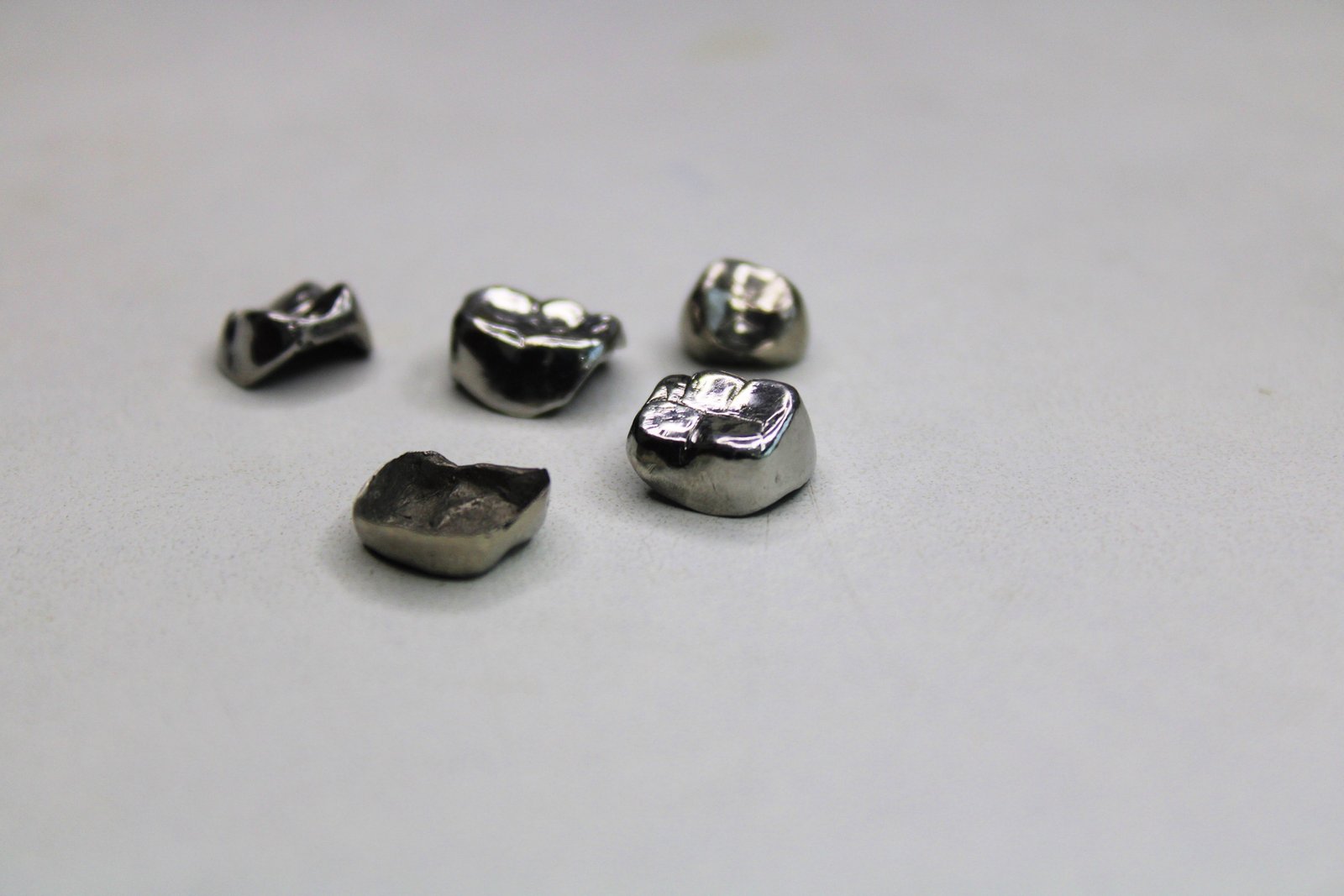
 Metal Crowns:

 Advantages
 1. Durability: Metal crowns, often made of gold or other alloys, are exceptionally durable and can last a long time. 
 2. Minimal Tooth Removal:  These crowns require the least amount of tooth structure removal during preparation. 
3.Biocompatibility: Metals used in crowns are generally biocompatible and well-tolerated by the body. 
 
 Disadvantages:
 1. Aesthetics: Metal crowns are not tooth-colored and may be less desirable for visible areas of the mouth due to their metallic appearance. 
 2. Cost: The cost of metal crowns can vary, but they are generally more affordable than some of the aesthetic options.

 In summary, the choice of dental crown depends on several factors, including the location of the tooth, budget, and aesthetic preferences. Zirconia crowns are renowned for their natural appearance and strength but can be costly. PFM crowns offer a balance between strength and aesthetics but may have a visible metal line. Metal crowns are incredibly durable but less aesthetically pleasing. Ultimately, it’s crucial to consult with your dentist to determine which type of dental crown is best suited for your specific needs, taking into consideration your oral health, budget, and cosmetic goals. Your dentist will help you make an informed decision that ensures the long-term health and beauty of your smile.

Care I max